NEWS
Bamboo
shoots nutrition facts
Crisp and chewy bamboo shoots, are freshly
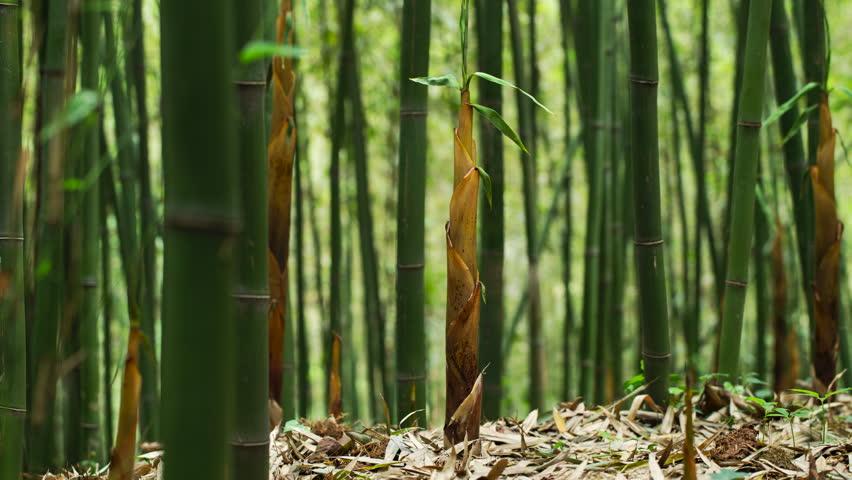
erupting edible culms of the bamboo plant. Young, tender shoots are a seasonal
delicacy in East Asian regions, particularly in China, Taiwan, Japan and other
South-East Asian countries. Several species of bamboo plants employed in the
bamboo shoot farming.
The bamboo plant is a member of the grass
family. After about 3-4 years of implantation, a new shoot arises from the
underneath root system which is then gathered, and eaten as a vegetable. Some
of the important edible species widely prevalent are Bambusa bambos, Bambusa
tulda, B. polymorpha, B. balcooa, Dendrocalamus hemiltonii, D. gigentius, and
Melocanna baccifera.
Bamboo shoots begin to appear above the
ground surface in different seasons depending upon the species. When a young,
cone-shaped new shoot just appears above the soil surface, it is severed from
its root attachment, generally using a spade.
On its exterior, the shoot features several
layers of a sturdy casing of leaves, firmly wrapped around its central
cream-white heart (meat). This prized meat is what the much sought after
portion of the bamboo shoot. It is crunchy in texture and has mild yet
distinctive flavor. Once boiled and cured, however, it acquires almost a
neutral taste.
Health
benefits of bamboo shoots

Bamboo shoots are one of the very low-calorie
vegetables. 100 grams of fresh cane holds just only 27 calories.
Bamboo heart composes of moderate levels of
soluble and non-soluble (NSP- non-starch carbohydrates) dietary fiber. 100 g of
fresh shoots provide 2.2 grams of roughage. Dietary fiber helps control
constipation conditions, decrease bad (LDL) cholesterol levels by binding to it
in the intestines. Studies suggest that high-fiber diet can help cut down
colon-rectal cancer risk by protecting digestive organs from the toxic
compounds in the food.
Bamboo hearts are also rich in the B-complex
group of vitamins such as thiamin, riboflavin, niacin, vitamin B-6
(pyridoxine), and pantothenic acid those are essential for optimum cellular
enzymatic and metabolic functions.
Bamboo is useful in minerals, especially
manganese and copper. Also, it has small amounts of some essential minerals and
electrolytes such as calcium, iron, and phosphorus. Manganese utilized by the
human body as a co-factor for the antioxidant enzyme, superoxide dismutase.
Copper employed in the production of red blood cells. Iron is essential for
cellular respiration and red blood cell formation.
Bamboo shoots compose excellent levels of
potassium. 100 grams of fresh shoot holds 533 mg or 11% of daily required
levels of potassium. Potassium is an important component of cell and body
fluids that helps controlling heart rate and blood pressure by countering
effects of sodium.
Nhận xét
Đăng nhận xét